
Eye problems in dogs
My dog is squinting, blinking a lot and rubbing his eye – I think he may have eye pain.
Have you ever had dust or an eyelash in your eye? Then you know exactly how painful it can be when something is wrong with your eye. This can happen to pets too! Eye pain can have many different causes, most of which can be successfully treated if caught early. However, some conditions can worsen quickly and may even lead to vision loss if not addressed promptly. 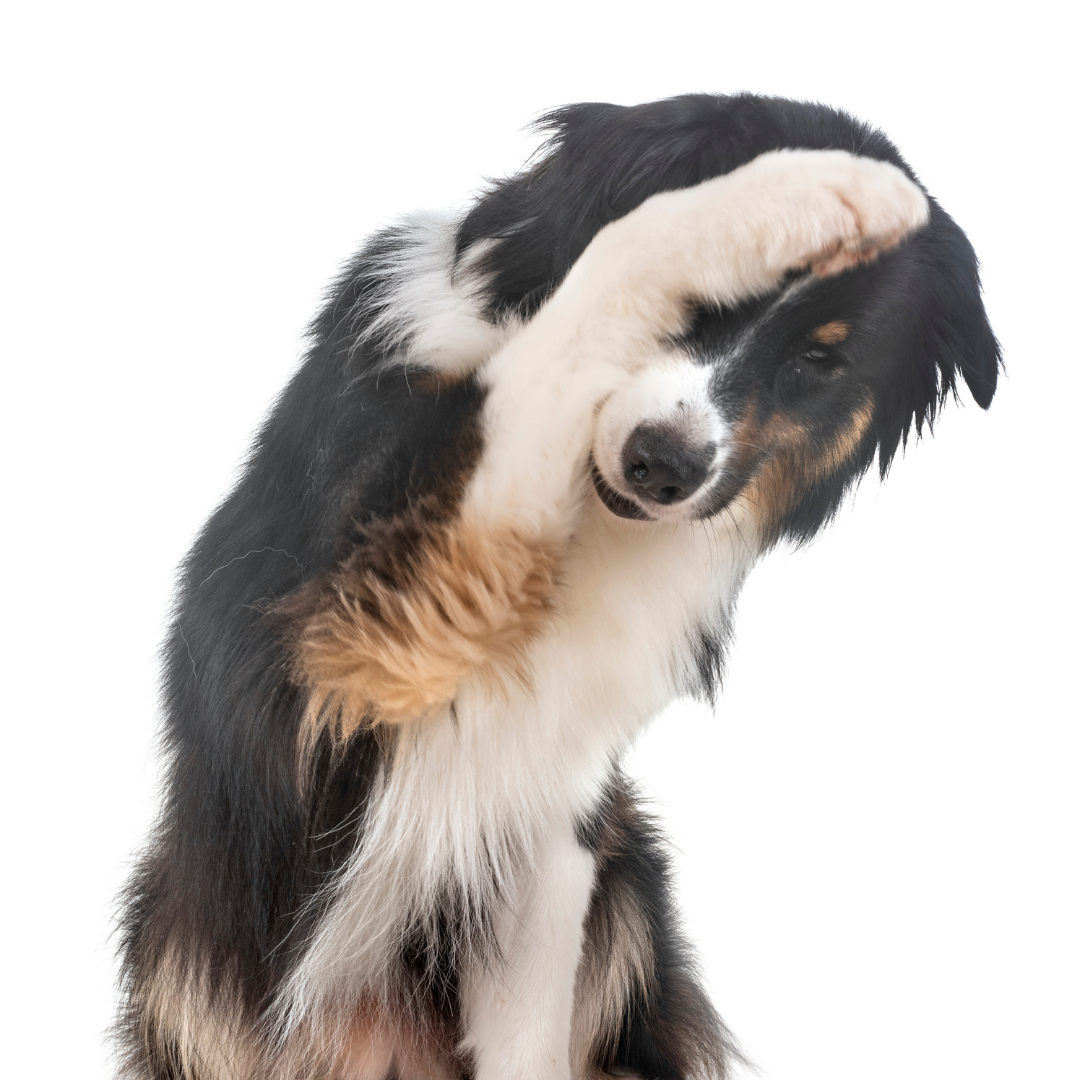
There are different types of eye pain. Animals cannot tell us exactly what they are feeling, but we can use human experience as a guide. Pain affecting the surface of the eye is often described as sharp, dry, or itchy, whereas pain involving the deeper structures of the eye may feel more like a severe headache. It is important to note, however, that not all conditions affecting the eye are painful, and any concern about your pet’s eyes should be checked by a veterinarian.
How do I know my dog’s eye is painful?
Eye pain in pets can be difficult to detect, as symptoms may range from being obvious to quite subtle. In some cases, the only change you may notice is a difference in your pet’s behaviour.
Here are some signs to keep an eye out for:
- squinting or keeping the eye closed
- blinking more than usual
- excessive tearing or discharge
- sensitivity to light
- rubbing or scratching at the eye
- pain when touching around the eye
- decreased appetite or lethargy
- behavioural changes (such as aggression or hiding)
Common causes of eye pain:
Painful eyes can be caused by a variety of conditions. We’ve grouped them into four main categories:
1. Damage to the surface of the eye
Corneal ulcers
These occur when there is a defect in the outermost layer of the eye (the cornea). Corneal ulcers are often caused by trauma to or irritation of the eye surface. Things like eyelashes constantly brushing against the eye and foreign materials (like grass seeds, dust, small twigs) can cause significant irritation leading to ulcers. Certain breeds, particularly brachycephalic (flat-faced) dogs, are at higher risk due to their anatomy.
2. Tear production abnormalities
Dry eye (Keratoconjunctivitis sicca)
This occurs when there is a decrease in tear production, which dries out the surface of the eye and can lead to inflammation, redness and a burning sensation. There may also be a thick, green eye discharge and secondary infection. It is often caused by the dog’s own immune system damaging the glands responsible for producing tears.
3. Infectious or inflammatory causes
A variety of infectious and inflammatory conditions can affect your pet’s eyes. Some signs associated with infections/inflammation include:
- Conjunctivitis: Inflammation of the outer structures of the eye. This condition in and of itself has many different potential causes, including allergies, infections, or irritation.
- Uveitis: Inflammation of the internal structures of the eye. It can be caused by immune-mediated conditions, infection, cancer, or trauma to the eye. This is a very painful condition and requires prompt veterinary attention.
4. Increased pressure inside the eye
Glaucoma
This is a term used for increased pressure in the eye, which can be caused by a number of diseases. This can severely damage the internal structures of the eye and is considered an emergency, as it can rapidly lead to blindness if untreated.
What tests can be performed at a general practitioner level?
Many eye conditions can be diagnosed and treated by a general practice veterinarian. As part of the consultation, the vet may perform some of the following tests:
History: The first step in an eye consultation is getting a good history. The vet might ask you questions like whether there has been any recent trauma, how long the problem has been present, current medications, and any known underlying diseases that your pet might have.
Ophthalmic examination: This is performed using specialised equipment, such as an ophthalmoscope, to assess both the outer and inner structures of the eye.
Fluorescein stain: This is a special dye applied to the eye that stains the underlying layers of the cornea that are normally covered by a thin outer layer. This is used to detect scratches or ulcers on the cornea. Areas of damage will take up the dye and appear bright green under UV light.
Schirmer tear test: This test measures tear production over a short period of time and is used to diagnose dry eye.
Tonometry (Intraocular pressure measurement): This test measures the pressure inside the eye and helps diagnose conditions like glaucoma. A special instrument is used for this which may not always be available in all clinics.
Treatment for eye pain in dogs
Treatment for painful eyes often relies on topical treatment with appropriate eye drops or ointments. The specific treatment will depend on the underlying cause and may include antibiotics, anti-inflammatories or lubricating drops.
Do not simply use any eye medication you might have at home without first consulting the veterinarian. Some eye drops are contraindicated in certain conditions and may worsen the problem if used incorrectly, so it’s important to get the right diagnosis first, and for the vet to prescribe the correct treatment.
In some cases, additional treatment with systemic medications, such as oral or injectable medications, may be required. This is more likely in more severe cases or in diseases that involve multiple parts of the body.
When would your dog need a referral to an eye specialist?
Many of the tests mentioned previously can be performed at a general practice as the required equipment is generally readily available, easy to use, and most pets tolerate them well. However, some conditions require more advanced diagnostics or treatment from a specialised veterinary ophthalmologist.
Cases that may require referral include:
- deep or non-healing corneal ulcers
- glaucoma
- severe uveitis
- sudden onset blindness
- cases unresponsive to initial treatment
- conditions requiring specialised surgery
In some advanced cases, removing the eye (a procedure known as an enucleation) may be the best option to relieve pain and improve the dog’s quality of life. This procedure can often be performed at a general practice veterinary clinic. Rest assured that dogs adapt exceptionally well to losing an eye, and can go on to live happy, comfortable lives.
Many eye conditions can be treated successfully if the problem is identified and treatment is initiated early. Some eye conditions are more complicated and may require long-term management or additional testing to identify underlying causes.
If you are concerned about your dog’s eyes or vision, make an appointment with the vet as soon as possible. Early intervention can greatly improve your pet’s comfort and may be the difference between preserving your pet’s vision and a permanent loss of vision.
© 2026 The Code Company